
10 Steps to Plan Out Your Grant Submission
Can you sit down and write a quality grant in an hour? Maybe, but these 10 steps will help you plan out your grant submissions so you have a quality application, submitted on time, that meets the funders' priorities … and do so with less stress and fewer grey hairs!

I have spoken to many organizations over the years who want to start or expand a grant program. While I firmly believe in the power and benefits of grant seeking, it does not fit every organization. Before you embark on developing or expanding your grant program, make sure to ask yourself these questions.

Questions you will need to ask yourself when determining if a funder is a good fit with your project.


E-COURSE:
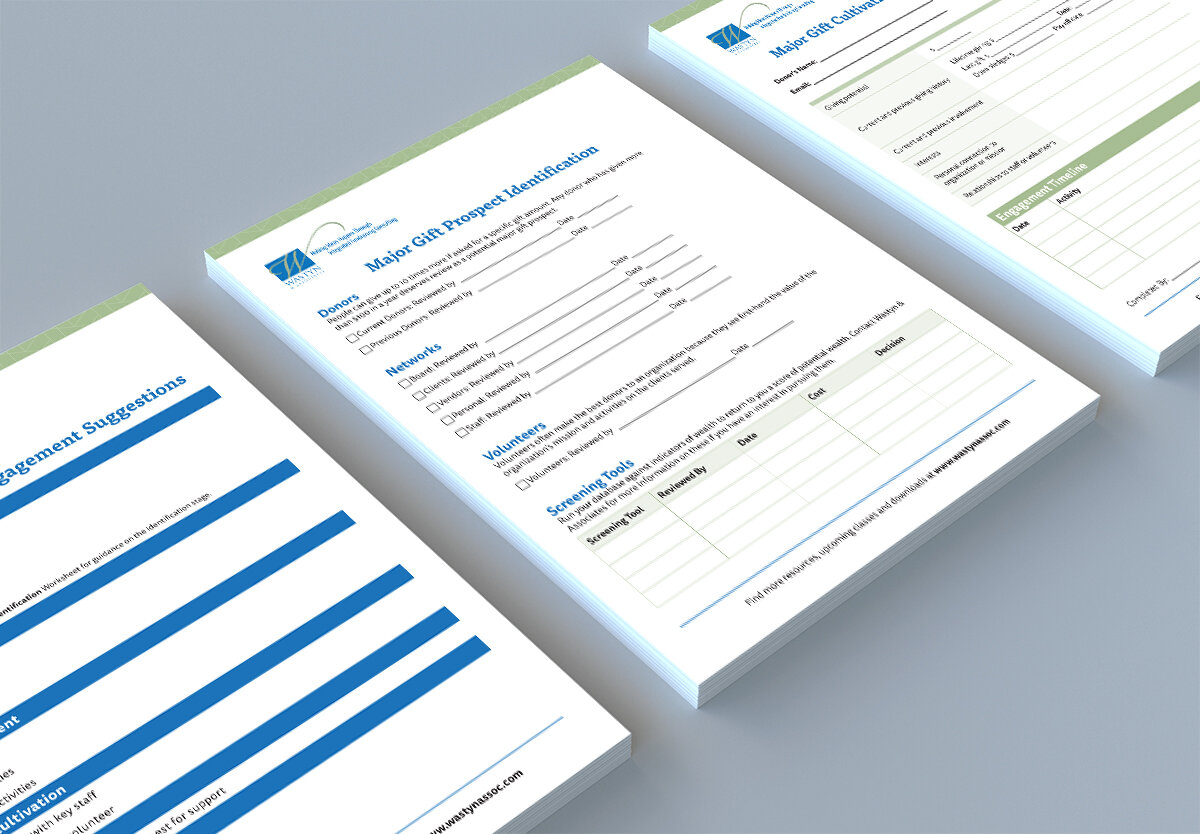
Your Guide to Major Gift Fundraising
This class brings together the best of our #FundraisingFriday videos and Nonprofit Tips and Tidbit blogs with downloadable resources – many of them available only through this class – in one easy to follow format to which you can refer again and again.
Related Nonprofit Tips & Tidbits

Donor advised funds represent one of the fastest growing vehicles for charitable giving. This blog outlines 5 tips when soliciting to help you maximize this type of funding for your organization.
Fund development work relies fundamentally on relationships, and relationships flourish under intentional cultivation rather than chance encounters. Investing time creating a written fund development plan pays dividends through increased revenue, stronger donor relationships, and reduced organizational risk over the coming years. Here are 5 tips to get started!
A strong grant report accomplishes more than compliance. It demonstrates impact, builds trust, and often opens the door to renewed or increased support. These 8 tips will help you write grant reports that inform, persuade, and strengthen your relationship with funders.

The nonprofit community faces two unprecedented threats from the federal government that deserve your attention and your action. Make your voice heard. Every comment counts.
The number one way that you can raise more money? Get out of the office! Go where your donors are and meet them face to face to develop a real relationship.
AI is ubiquitous. So much so that you might feel overwhelmed by the pressure to use it - or not use it. My advice - try it and see how it might help make your work more efficient or effective. If it doesn't, then don't use it. If it does, then find the way that best integrates into your workflow. These 6 ways that we have found AI to help with our grant development work can get you started.
Grant reporting often becomes an afterthought to planning and writing the application and the celebration that comes when you receive an award. However, good grant reporting starts long before you start to write your application. Learn how to plan for and ultimately create good grant reports.

A well-planned site visit does more than educate a single legislator. It positions your organization as a credible, reliable resource, the kind of organization a member’s office calls when they need perspective on the issues you know best. That relationship, built one visit at a time, produces better policy for the people you serve. The process of scheduling that visit requires patience and persistence, but it follows a clear path. The following 10 tips will help you navigate it.
One of the best ways I know to improve your chances of grant success is to contact the funder before you submit an application to develop a relationship with them. Learn four reasons why this is true in this week's Fundraising Friday.
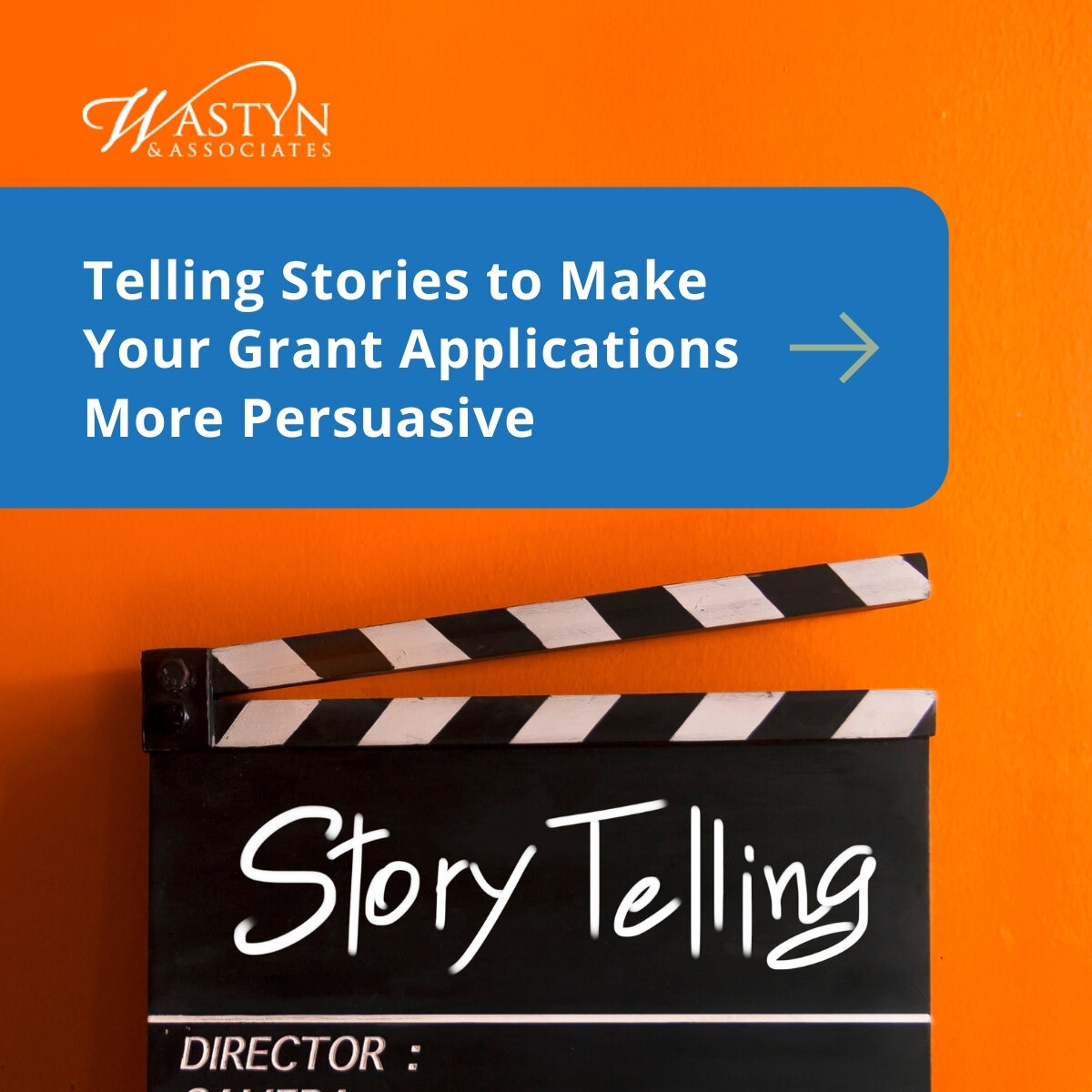
Stories make your application and case more relatable, interesting, and memorable. Reviewers will read your application longer, pay closer attention to it, and remember it when it comes time to evaluate all of the applications sitting on their desk or inbox for funding.
Grants can be a wonderful mechanism for acquiring funds for projects that your organization cannot support or that augment current operations. However, not all projects are appropriate for grant funding, and grants do not offer a “magic bullet” to solve all of your organization’s financial woes.
This manual provides an overview of the grant-seeking process with plenty of opportunities to ask yourself whether the project under consideration has the qualities that make it appropriate for grant funding and whether you and your organization have the appropriate tools to seek grant funding.