

Featured



Your special events can feed your donor pipeline as well, if you do them correctly and if you take steps to carefully and systematically follow up with attendees. Learn three things that you can do to better leverage your special events to raise money throughout the year.
Fund development work relies fundamentally on relationships, and relationships flourish under intentional cultivation rather than chance encounters. Investing time creating a written fund development plan pays dividends through increased revenue, stronger donor relationships, and reduced organizational risk over the coming years. Here are 5 tips to get started!
Is your donor pipeline work maximizing the number of donors who give to your organization to create the foundation needed for effective major gift work? Learn how you can leverage your mail, email, and social media work into an integrated campaign to strengthen that pipeline.
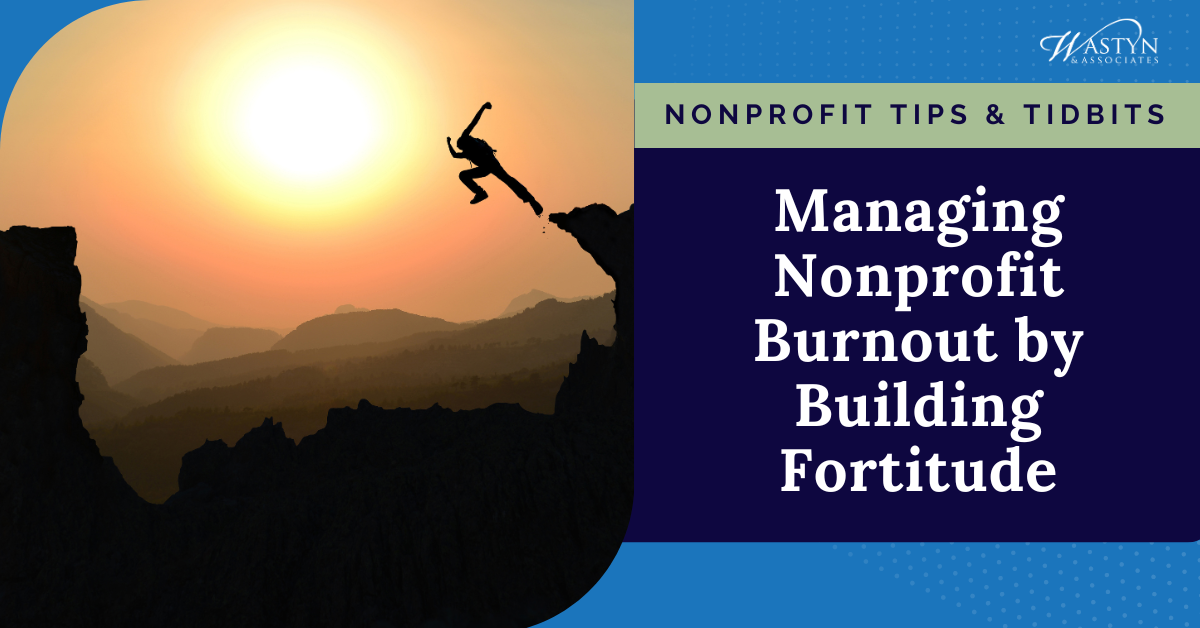
A growing share of nonprofit professionals reports real concerns about burnout. Contrary to popular belief, burnout does not stem solely from long hours or a difficult work environment. This blog post defines the causes of burnout and offers 6 habits to help you build what you need to combat it: fortitude.
What does it mean to develop a real relationship and with whom should you develop those relationships? In today's highly competitive fundraising environment, the relationships you build will help grow and sustain your work much faster than any other way you can spend your time.
While a very serious subject with very real consequences for the nonprofit sector, burnout deserves a laugh before it earns a resignation letter. These 8 tips mix real self-preservation with the kind of dark humor that gets a burned-out staff member through their Tuesday.
Donor stewardship is always important but letting your donors know that you appreciate them and how they make a difference for your mission has become more important than ever in today's highly competitive philanthropic landscape.
A strong grant report accomplishes more than compliance. It demonstrates impact, builds trust, and often opens the door to renewed or increased support. These 8 tips will help you write grant reports that inform, persuade, and strengthen your relationship with funders.
In today's competitive and challenging fundraising environment, what can you do to continue to raise the funds you need and to raise even more money? These three tips will help you meet and even exceed your goal.
Donor advised funds represent one of the fastest growing vehicles for charitable giving. This blog outlines 5 tips when soliciting to help you maximize this type of funding for your organization.